A Property-Specific Plumbing Checklist
By The Quick Fix Plumbing
A useful seasonal check starts with the features your property actually has. Outdoor hoses, accessible unheated pipe areas, and basement pumps need different questions; none is present at every property.
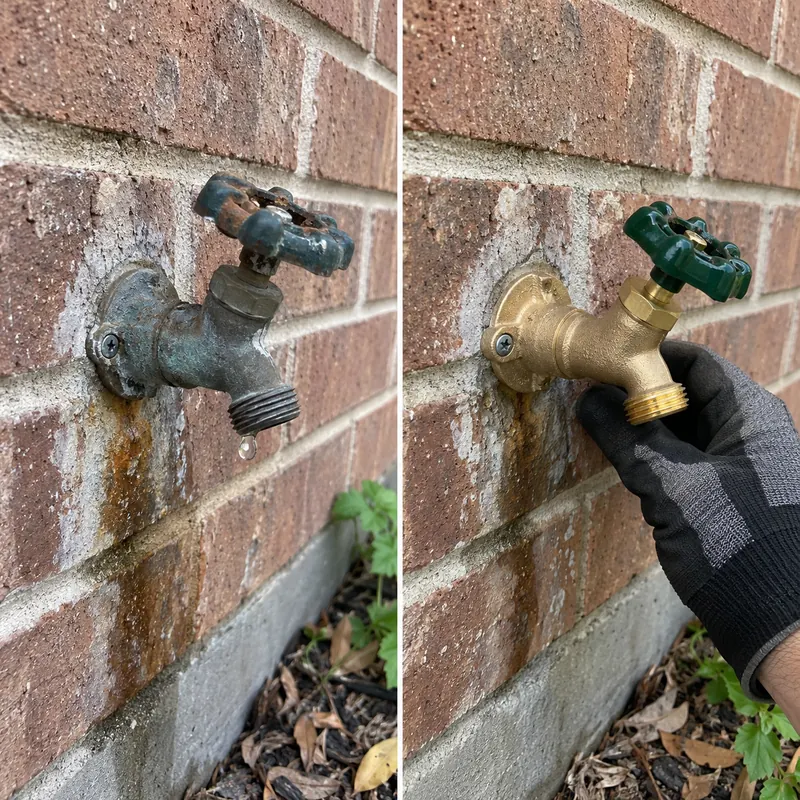
If the property has outdoor hoses or faucets
Look for visible dripping, damaged hoses, and a faucet that does not shut off normally. Note whether the hose or faucet arrangement has changed. Follow the fixture instructions for seasonal hose handling and any model-specific isolation or drainage procedure.
Where freezing exposure is possible, exposed pipes deserve a condition-based plan. Do not claim that every local property faces the same conditions. Ask about appropriate protection for the actual installation and never use a flame on a suspected frozen pipe. Do not force a stiff outdoor valve.
If the property has a sump pump
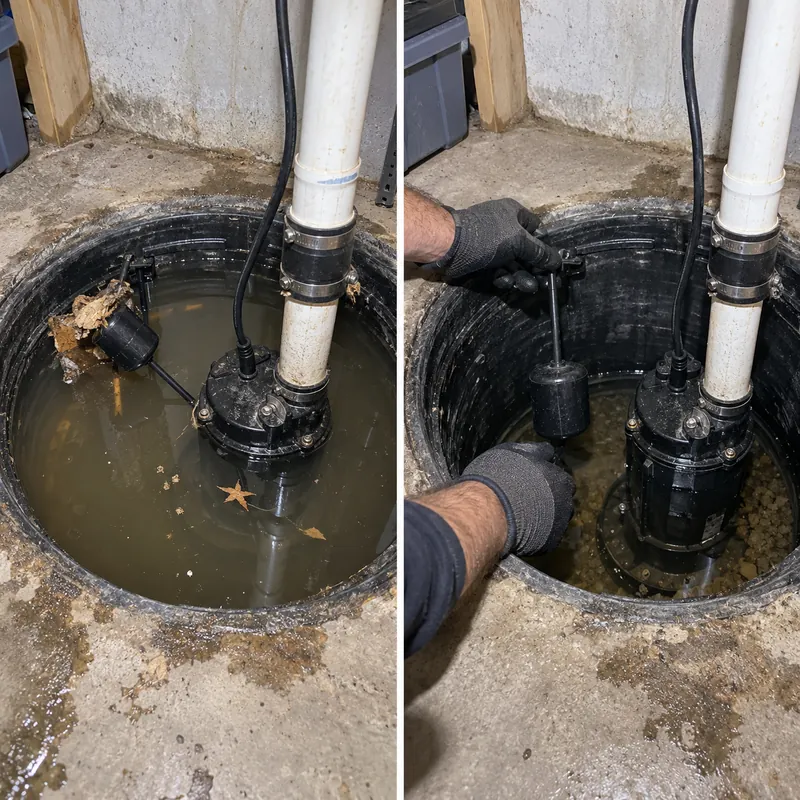
From outside the pit, observe any visible obstruction, unexpected water level, alarm, or changed pump sound. Follow the exact pump manual for permitted checks and testing. Different systems have different controls, discharge arrangements, and backup equipment.
Do not enter a wet pit, reach into water near powered equipment, remove electrical covers, or repeatedly reset a breaker. A pump running is not proof that its discharge path or backup system works. If water is rising or electricity may be involved, stay out and seek appropriate help.
Make a practical plan for access and absence
Know which visible valve serves which fixture and who has permission to operate any shared shutoff. Keep model information and a safe-access plan available to the person arranging repairs. If nobody is present regularly, discuss an appropriate monitoring or isolation plan for that property rather than applying a universal shutdown rule.
Record changes over time: a new drip, different pump cycle, damaged pipe insulation, or a hose that now rubs against a sharp edge. These are reasons to assess condition, not automatic diagnoses or replacement instructions.
- Which optional features are actually present?
- Are manuals, labels, and normal operating instructions available?
- Can valves and equipment be reached from a dry safe position?
- Who can grant access and authorize work if you are away?
Related plumbing questions
Sources and equipment instructions
These references support the specific observations and safety boundaries discussed above. Use the manual for your actual equipment; utility ownership and contact rules apply only in that utility’s area.
Calls accepted 24/7. Discuss scheduling, scope, and price before authorizing work.