Water Leak & Pipe Repair in Cleveland, TN
Water leak and pipe repair in Cleveland, TN: a dripping joint under a cabinet, damp in a crawlspace, or a ceiling stain spreading under a bathroom. Call 24/7.
Call 24/7 to request plumbing help.

- Calls accepted 24/7Call lines are available at any hour, any day. Answer times may vary.
- Selected communitiesCoverage is checked by location on the call before anything is scheduled.
- Common household problemsLeaks, drains, sewer lines, water heaters, toilets and fixtures.
- Scope and pricing firstDiscuss the work and the price with the provider before authorizing anything.
Leaks and Pipe Problems We Help With
Visible drips, concealed leaks behind walls or under floors, crawlspace leaks and outdoor lines.
Leaking Pipes
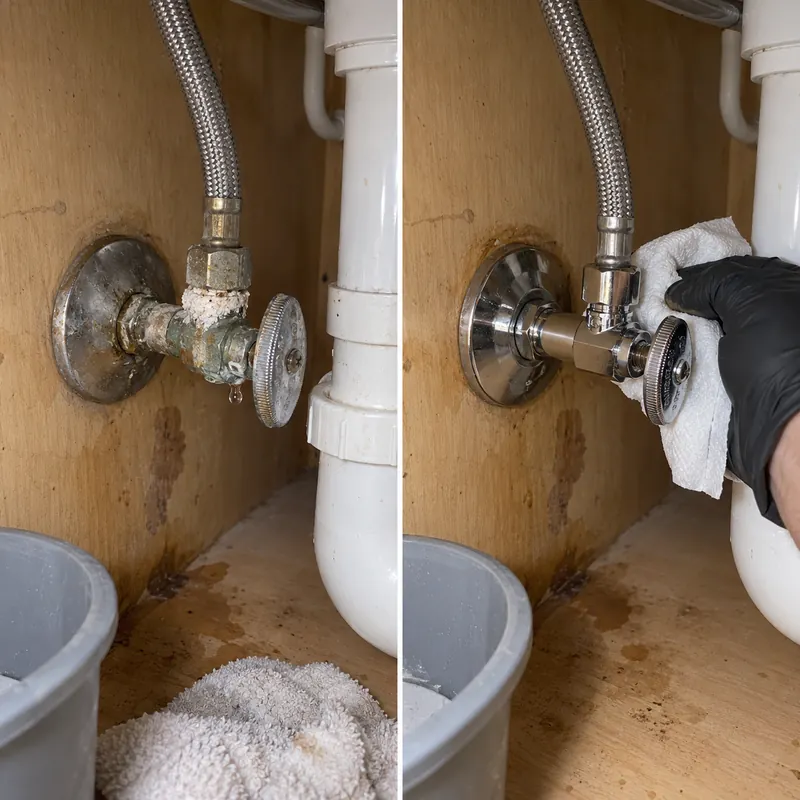
Drips at joints, corroded sections and slow leaks under sinks or in cabinets.
Hidden Water Leaks
Leaks inside walls, ceilings or under slabs that show up as damp spots or a rising water bill.
Burst Pipes
Failed supply lines and split pipes that need the water shut off and the section repaired.
Water-Line Problems
Main or branch water-line issues, including lines that lose pressure or leak underground.
Leak Detection
Help tracing where water is actually coming from before anything gets opened up.
Stains and Low Pressure
Water stains, unexplained moisture, musty smells or reduced water pressure at fixtures.
Leak Signs Worth a Call
Hidden leaks announce themselves indirectly — a stain, a smell, a sound, a bill. These are the signs that justify calling.
- Your water bill jumped without a change in household use.
- A wall, ceiling or baseboard has a spreading stain or feels soft.
- There is a damp patch on the floor or a warm spot on a slab.
- Water pressure dropped at several fixtures at once.
- The water meter keeps moving with every fixture turned off.
- You smell musty air near a cabinet, closet or crawlspace.
Narrowing down the source
With every fixture, water-using appliance and any automatic irrigation, water softener or ice-maker refill cycle switched off, steady movement at the water meter may indicate a leak on the supply side. Then look at the pattern: damp that grows only after hot water is drawn, only after a shower, or continuously, each points at a different line.
Photograph the area with something for scale and note the date. Two photographs a day apart tell a plumbing professional more about the rate of loss than any description.
Leaks under the floor
In a crawlspace home, a supply leak can run for weeks without a visible sign indoors. Musty air, cupping floorboards or insulation that has sagged and darkened are all worth reporting. If you can look safely, note damp ground, standing water and how far the run sits from the access point.
Access is part of the scope. Low clearance, stored items or standing water all change how the pipework is reached, and any of it is discussed with you before work is agreed.
What determines the repair
A pinhole on an accessible run is short work. The same failure inside a wall, under a slab or on a buried line between the meter and the house involves access work, which changes the scope and price — both agreed before anything starts.
Older galvanized pipework and joints between dissimilar metals fail differently from copper or PEX. Where repairs have already been made along one run, replacing a section is sometimes the more sensible option to discuss.
What to Do Right Now
- 1Shut off the nearest fixture valve or the main water supply when it is safe to do so.
- 2Keep people and pets away from sewage or contaminated water.
- 3Do not touch electrical devices, outlets or panels near standing water.
- 4If you suspect a gas leak, leave the property and contact emergency services or the gas utility.
- 5Call and explain the symptoms and the location in the home.
Do not attempt repairs you are not comfortable with. Describe what you are seeing on the call instead.
Possible Contributing Factors
These are possible property factors, not a diagnosis — the cause is confirmed on site.
- Heavy rain can push groundwater and debris toward drain and sewer lines, and a partly restricted line has less spare capacity.
- Crawlspace plumbing can let a slow leak sit unnoticed under the floor for a long time.
- Older housing can have galvanized supply lines or aging cast-iron drains still in service.
- Winter cold snaps can split exposed crawlspace lines and hose bibbs.
- Roots from mature trees can contribute to repeat sewer blockages on established lots.
- Mineral buildup can restrict fixtures and shorten water-heater life over time.
Cleveland, TN Coverage
Coverage is for plumbing work at Cleveland, Tennessee addresses. Calls are accepted 24/7 and the exact address and service needed are confirmed on the call.
- Cleveland
How It Works
- 1Call 24/7 and describe the plumbing problem.
- 2Provide the property location and the service needed.
- 3Discuss the proposed scope, pricing and terms before authorizing work.
More Plumbing Help in Cleveland, TN
- All plumbing servicesSupply pipework, drains and waste lines, water heaters, toilets, faucets, valves and outdoor taps.
- Drain cleaning & sewer helpSlow fixtures, repeat clogs, main-line restrictions and sewer backups at Cleveland, TN addresses.
- Water heater repair & installationRepair, replacement and installation for tank and tankless units, urgent or planned.
- Toilets, faucets & shower valvesToilet repair and installation, faucet repair and replacement, shower valve repair and shutoffs.
- Cleveland, TN plumbing helpStart with the main Cleveland, TN page for any plumbing problem.
Frequently Asked Questions
Confirm pricing, service details and the scope of work directly with the plumbing professional before work begins.
Water can be heard while fixtures seem off
Account for scheduled and automatic uses before interpreting the sound or meter movement.
List water uses that may not be obvious
Record when the sound occurs and whether laundry, ice making, irrigation, or another installed water-using system is operating. Include only systems actually present. A toilet refill can also happen between uses, so taps being closed does not mean every water demand has stopped.
If a meter is readable from safe permitted access, record the time and behavior without manipulating utility equipment. Continuing movement after expected uses are accounted for warrants assessment; it does not locate a hidden leak. Do not open walls or force a shutoff to follow the sound.
Share the observation and isolation limitations
Explain where the sound is loudest, when it stops, and whether visible moisture is increasing. Use a known normally operable property-side valve only if safely accessible and suitable for the situation. Report what changed after safe isolation without treating the result as a precise diagnosis.
Ask how the professional will distinguish legitimate demand from escaping water and what locating work is needed before repair access is opened. Agree documentation of the finding and separate repair/restoration scopes. If water is near electricity or a sagging surface, keep away rather than trying to investigate further.
- Time, appliances, and automatic demand accounted for?
- Safe meter observation and visible moisture?
- Isolation limits and locating scope before opening?