Burst Pipe in Winston-Salem? What to Do First
Short answer: get everyone away from the water, shut the water off at the main valve if you can reach it safely, keep clear of standing water near anything electrical, then call about the problem. If water is bubbling up in the street rather than on your property, contact CityLink at 311.
Calls accepted 24/7. Provider availability varies by location and time.
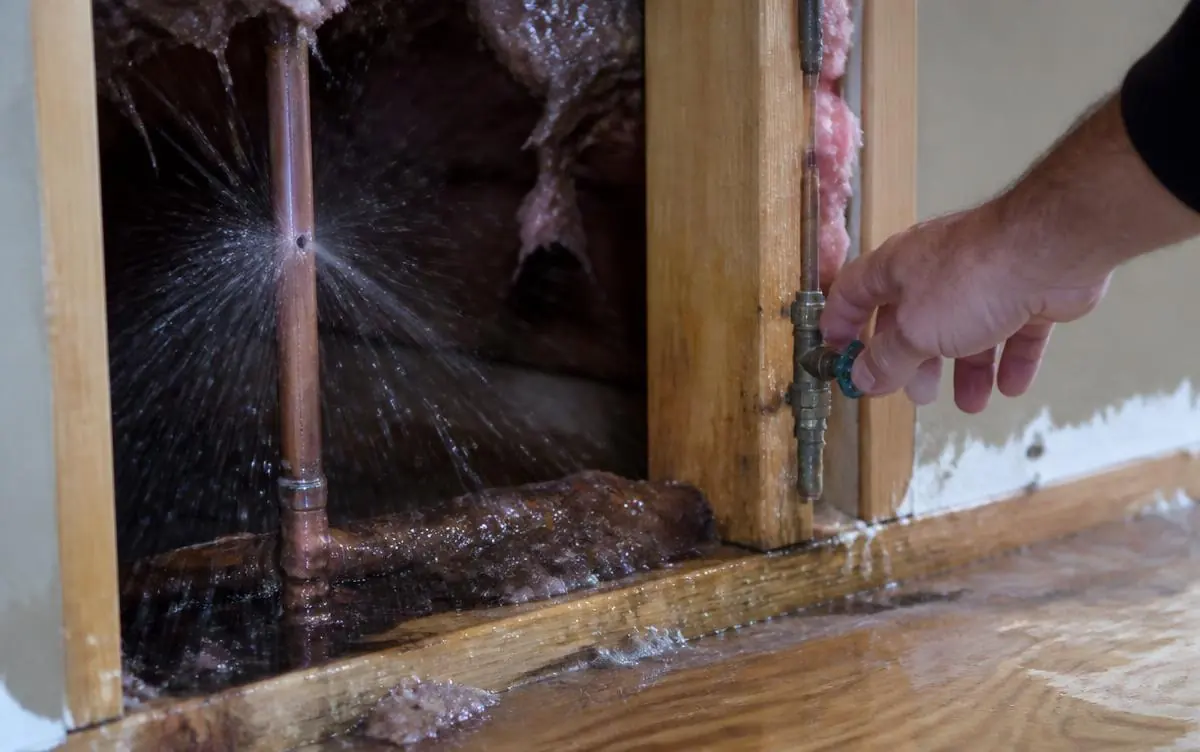
Immediate Safety Checklist
- 1Move people, pets and anything valuable away from the water.
- 2Do not walk through standing water if it is near outlets, appliances or a panel.
- 3Use the known normally operable property-side shutoff only if safely accessible; follow its valve instructions without forcing it.
- 4Follow equipment-specific shutdown advice from the manual or a qualified professional; do not attempt gas or electrical work.
- 5Stop using fixtures and appliances that drain into the affected area.
- 6Take photos only from dry safe ground; do not enter hazards to document damage.
Do not attempt a repair you are not comfortable with. Describe what you are seeing when you call instead.
Shut Off the Water Only When It Is Safe
Use the known property-side shutoff only when it is safely accessible and normally operable. Follow its valve instructions: different designs operate differently. Never force a corroded or seized valve. If its location or operation is uncertain, stay clear and report that limitation when arranging help.
Do not open utility equipment or operate a street-side utility valve. Describe unavailable property-side isolation to the plumbing professional or CityLink when reporting a relevant water or sewer emergency.
Even after safe isolation, water retained in pipes or building surfaces can continue to appear. Keep people away from hazards and ask for equipment-specific guidance rather than adding a universal faucet-draining step.
If you cannot reach the valve without wading through water near electrical outlets or a panel, do not go in. Stay out and make the call.
Keep Away From Standing Water Near Electricity
Water and electricity are the part of a burst pipe that actually hurts people. Treat any pooled water as energized if it sits near outlets, extension cords, a washer or dryer, a furnace, a well pump or a breaker panel.
- Do not stand in water to flip a breaker or unplug anything.
- Do not use a shop vacuum in water near live outlets.
- Keep children and pets out of the affected rooms.
- If water is reaching a panel, ceiling fixtures or wiring, leave the area and call your electric utility or 911.
Federal winter-storm guidance covers frozen-pipe and cold-weather home safety in more detail: Ready.gov: Winter Weather
Street Water-Main Break vs. a Pipe on Your Property
The official city guidance says Utilities handles water and wastewater mains in the street. Report suspected overflow, rupture, leak, or sewer backup to CityLink by phone when it is an emergency; a visible symptom alone does not establish which pipe failed.
The city says private-property breaks are generally the property owner's responsibility. Confirm the actual source and work authorization rather than deciding ownership from where water appears. This is local Winston-Salem guidance, not a nationwide rule for every utility.
Call CityLink at 311 within city limits, or 336-727-8000. For an active water emergency, call rather than using the online request form, as the official emergency reporting guidance requires.
The Quick Fix Plumbing is not affiliated with, connected to or endorsed by the City of Winston-Salem or Forsyth County. Links are provided for reference only.
What to Have Ready When You Call
A burst pipe call goes faster when the basics are already in hand. What you can see, hear and smell matters more than naming the repair.
- The property address in Winston-Salem or Forsyth County.
- Where the water is coming from — under a sink, in a wall, a crawlspace, a ceiling or the yard.
- Whether the water is still running and whether the main valve is shut off.
- Whether the water is clean supply water or waste water from a drain.
- Whether any electrical outlet, panel or appliance is near the water.
- How long it has been leaking and roughly how much water is present.
- Whether the house has a crawlspace, slab or basement, and the approximate age of the plumbing.
Property Conditions to Discuss After a Pipe Failure
If an exposed line recently froze, share that history. Freezing is one possible contributor to damage, and leakage may become apparent as water moves again. The weather sequence does not establish the cause or damaged location by itself.
Discuss unheated pipe areas only if the property actually has them. Describe known crawlspace, garage, attic, or outdoor connections from safe access, without assuming that all local properties share the same construction.
Share previous repair records and known pipe materials if available. Building age or neighborhood does not establish the installed plumbing or its condition. Ask for inspection of the affected section and adjacent connections before selecting work.
If a leak recurs in the same area, ask what measurements or inspection support the cause and repair proposal. Start with water leak and pipe repair for a finding-based assessment rather than repeated guessed patching.
Reducing Future Freeze and Leak Risk
- Insulate pipes in crawlspaces, garages, attics and exterior walls before the first hard freeze.
- Disconnect garden hoses and cover outdoor spigots each winter.
- Identify the property-side shutoff and arrange assessment if its condition or operation is uncertain; never force it.
- Ask for a cold-weather plan matched to the actual exposed pipes and equipment manuals.
- Ask which access and ventilation measures suit the actual building and equipment; do not enter an unsafe crawlspace.
- Open cabinet doors under sinks on exterior walls so warm air reaches the pipes.
- Have recurring drips, weeping joints and corroded sections looked at instead of tightened again.
If the pipe has already failed and water is still moving, emergency plumbing help is the faster path than prevention. For everyday repairs and questions, start with plumbing help in Winston-Salem.
Frequently Asked Questions
Document access and recovery after a pipe failure
Once immediate hazards are addressed, organize the repair evidence without duplicating the safety steps above.
Preserve a safe record before surfaces change
Record when the leak was noticed, any safe isolation performed, and the last visible fresh flow. Photograph damage only from dry safe locations. Do not enter contaminated or electrically hazardous water just to document a claim or obtain a closer image.
Keep repair invoices, inspection findings, and existing model or pipe details together. The supplied split-pipe illustration is an example, not a photograph of this property. Documentation can support later discussions, but it does not establish an insurance entitlement or outcome.
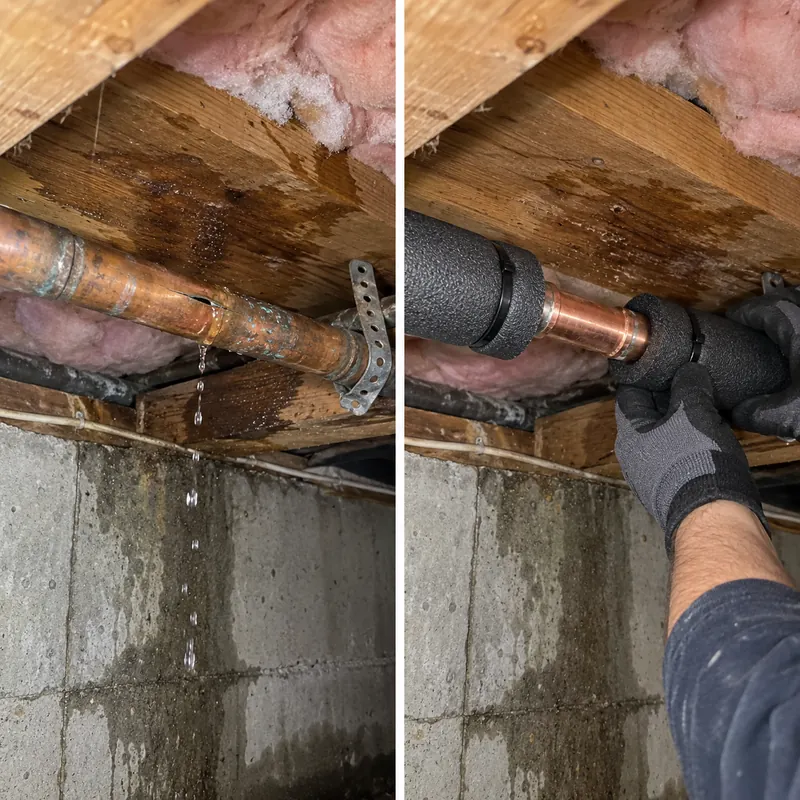
Agree repair access and restoration responsibilities
Confirm who authorizes openings, which section is being repaired, and who handles drying and surface restoration. Ask what areas remain unsafe or need assessment before normal occupancy or fixture use resumes.
Use the national first-steps guide for general containment boundaries and the official city source above for Winston-Salem water/sewer reporting. Confirm the scope, terms, and any additional work before approval; do not assume pipe repair also includes every damaged surface.
- Incident timeline and safe photographs saved?
- Access permission and confirmed repair section?
- Drying, restoration, and safe-use checks assigned?
Burst Pipe in Winston-Salem?
Call (833) 723-1805 to describe what the water is doing and check current provider availability in your part of Forsyth County.
Calling does not guarantee a connection, appointment, price or arrival time.
The Quick Fix Plumbing is a referral service that connects callers with independent plumbing service providers and may receive compensation. We do not perform plumbing work. Provider availability, qualifications, pricing and terms vary by location. Verify provider credentials before authorizing work.