Drain Cleaning & Sewer Help in Cheyenne, WY
Drain cleaning and sewer help in Cheyenne: a basin that empties slowly, gurgling when the washer drains, or waste water surfacing at the lowest drain. Call 24/7.
Call 24/7 to request plumbing help.
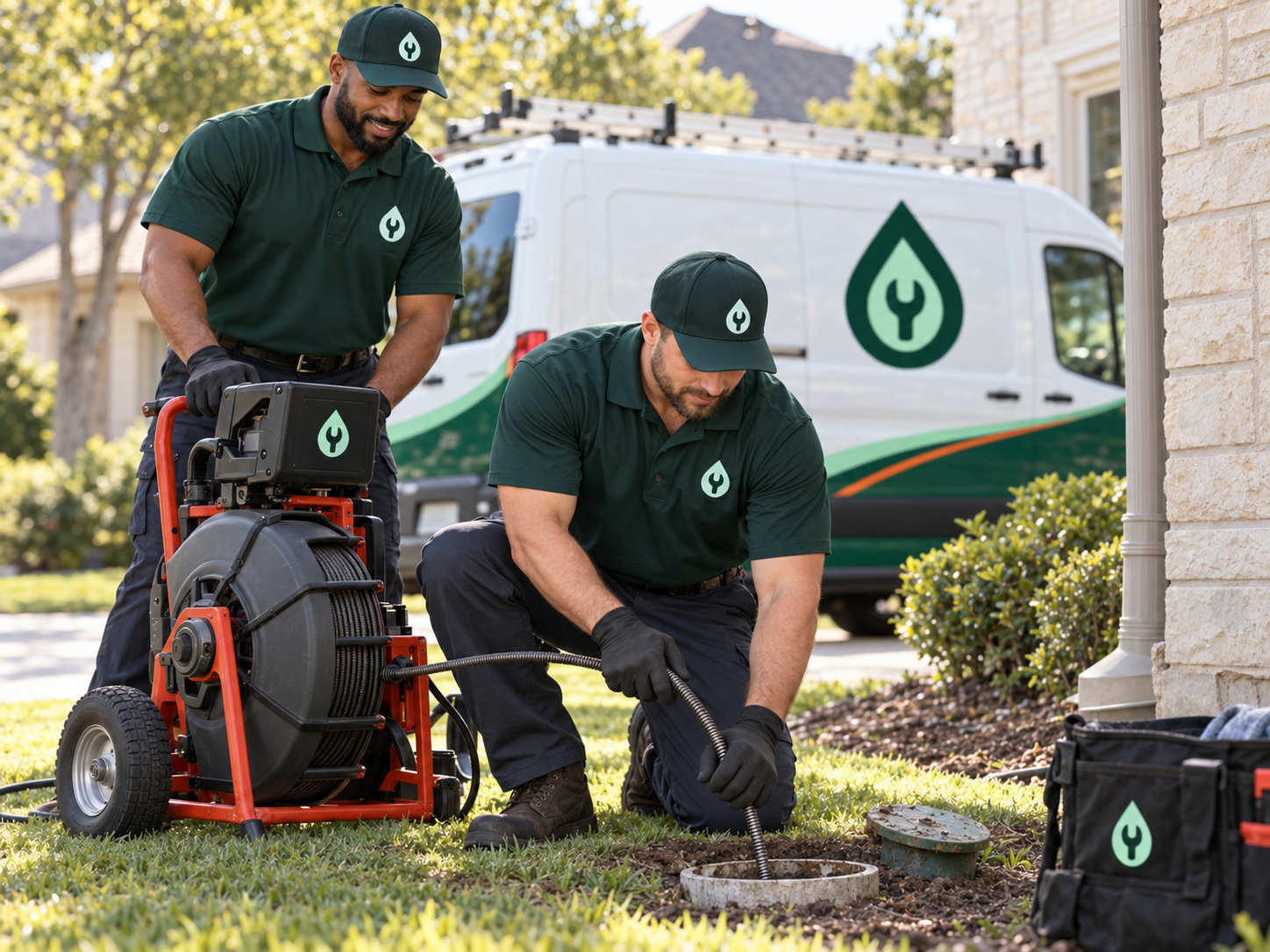
- Calls accepted 24/7Call lines are available at any hour, any day. Answer times may vary.
- Selected communitiesCoverage is checked by location on the call before anything is scheduled.
- Common household problemsLeaks, drains, sewer lines, water heaters, toilets and fixtures.
- Scope and pricing firstDiscuss the work and the price with the provider before authorizing anything.
Drain and Sewer Problems We Help With
Slow fixtures, repeat clogs, main-line restrictions and sewer backups at Cheyenne addresses.
Clogged Sinks, Tubs and Showers
Standing water and blockages from grease, hair, soap buildup or foreign objects.
Slow Drains
Drains that empty a little slower every week — usually a partial blockage, not a full clog.
Repeated Blockages
The same drain clogging again after clearing, which often points further down the line.
Overflowing Drains and Toilets
Water coming back up out of a fixture instead of draining away.
Sewer Backups
Waste water surfacing at the lowest drain in the home, sometimes with odor.
Main and Sewer-Line Problems
Main-line blockages, root intrusion and sewer-line issues that need drain clearing or cleaning.
Local Clog or Main-Line Restriction?
One fixture behaving badly and the rest of the house fine usually means a local problem. Several fixtures affected at once, or odor with slow drainage, points further along the system.
- More than one drain in the home is slow or backing up at the same time.
- A drain gurgles when another fixture is used.
- Waste water appears at a floor drain, shower or laundry standpipe.
- A clog returns within days of being cleared.
- There is a sewer odor indoors or near a cleanout.
- Drain problems get worse after heavy rain.
Reading the pattern you have already noticed
Report which fixtures have been affected during normal use and in what order. A single slow basin suggests its own trap or branch. A tub that gurgles when the washing machine empties, or a floor drain that rises when a toilet is flushed, suggests a restriction further downstream — though that is a possibility to check, not a conclusion.
If water or sewage is backing up, stop using connected fixtures and water-using appliances and call. Also mention odor: a persistent sewer smell with slow drainage can involve venting as well as blockage, and inspection settles which.
Gurgling, venting and what it can mean
Gurgling happens when air is being pulled through water in a trap. That can come from a partial blockage downstream, or from a vent that is restricted so air cannot enter the system the normal way. Both produce similar noise, and telling them apart is an on-site job.
Note when the sound happens — during a shower, while the washer drains, after a flush — because the fixture that triggers it narrows down the section of pipe involved.
What shapes the visit
The scope depends on where the cleanout is, how far along the restriction sits, and what the line is made of. An accessible branch line under a sink is a different job from a concealed or buried lateral entered from outside. When a clog returns to the same spot, a camera inspection is sometimes suggested.
Have ready: how many fixtures are affected, how often the problem returns, whether there is indoor odor, and whether the property is on the city sewer or a septic system.
Possible Contributing Factors
These are possible property factors, not a diagnosis — the cause is confirmed on site.
- Cold snaps and wind chill can reach pipework in unheated garages, crawlspaces and outside walls.
- Outdoor plumbing such as hose bibbs and irrigation connections is weather-exposed and can fail at fittings.
- Homes with basement mechanical rooms can hide a slow leak behind stored items until it spreads.
- Mixed pipe materials from earlier repairs can leak at the transition between two metals.
- Scale and sediment can build up inside a water heater and affect noise, recovery and life expectancy.
- Established lots with mature trees can see repeat sewer-line blockages from root intrusion.
Cheyenne Coverage
Coverage is for plumbing work at Cheyenne addresses. Calls are accepted 24/7 and the exact address and service needed are confirmed on the call.
- Cheyenne
How It Works
- 1Call 24/7 and describe the plumbing problem.
- 2Provide the property location and the service needed.
- 3Discuss the proposed scope, pricing and terms before authorizing work.
More Plumbing Help in Cheyenne, WY
- All plumbing servicesLeaks, drains and waste lines, water heaters, toilets, faucets, valves and outdoor taps.
- Water leak & pipe repairVisible drips, concealed leaks behind walls or under floors, split pipes and outdoor supply lines.
- Water heater repair & installationRepair, replacement and installation for tank and tankless units, urgent or planned.
- Toilets, faucets & shower valvesToilet repair and installation, faucet repair and replacement, shower valve repair and shutoff valves.
- Cheyenne, WY plumbing helpStart with the main Cheyenne, WY page for any plumbing problem.
Frequently Asked Questions
Confirm pricing, service details and the scope of work directly with the plumbing professional before work begins.
Drain trouble after a long period of nonuse
Separate odor without rising water from actual slow drainage or wastewater backup.
Describe what happens when normal use resumes
Report whether the issue is odor alone, slow emptying, gurgling, or water returning from a drain. A trap that has lost its water seal may be considered for an unused fixture, but that possibility does not explain every odor or a persistent sewage backup.
Do not run multiple fixtures to test a rising drain, open cleanouts, or make contact with suspect wastewater. If water returns or contamination is suspected, stop unnecessary fixture use and keep people away. Record the unused period and symptoms already observed.
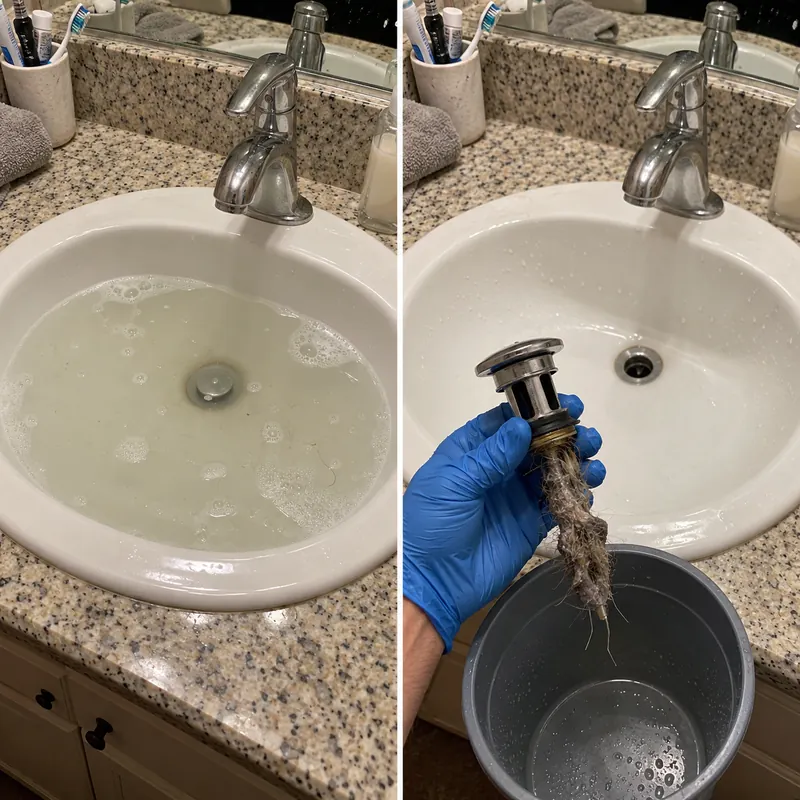
Ask what distinguishes trap care from an obstruction
Identify whether one unused fixture is affected or several outlets behave unusually. Share prior blockage history and any maintenance before the absence. Time without use is context; it is not a diagnosis of either a dry trap or a blocked shared line.
Ask which fixture instructions or professional checks apply and whether the complaint requires drainage inspection rather than simple trap care. Persistent odor after the appropriate care, or any returning wastewater, needs further assessment instead of repeatedly adding water or masking the smell.
- Odor only, slow flow, or water returning?
- One unused fixture or several affected outlets?
- Trap-care limits and reason for obstruction inspection?