Water Heater Repair & Replacement in Cheyenne, WY
Water heater repair, replacement and installation in Cheyenne: lukewarm showers, hot water that runs short, noise from the tank or damp at the base. Call 24/7.
Call 24/7 to request plumbing help.
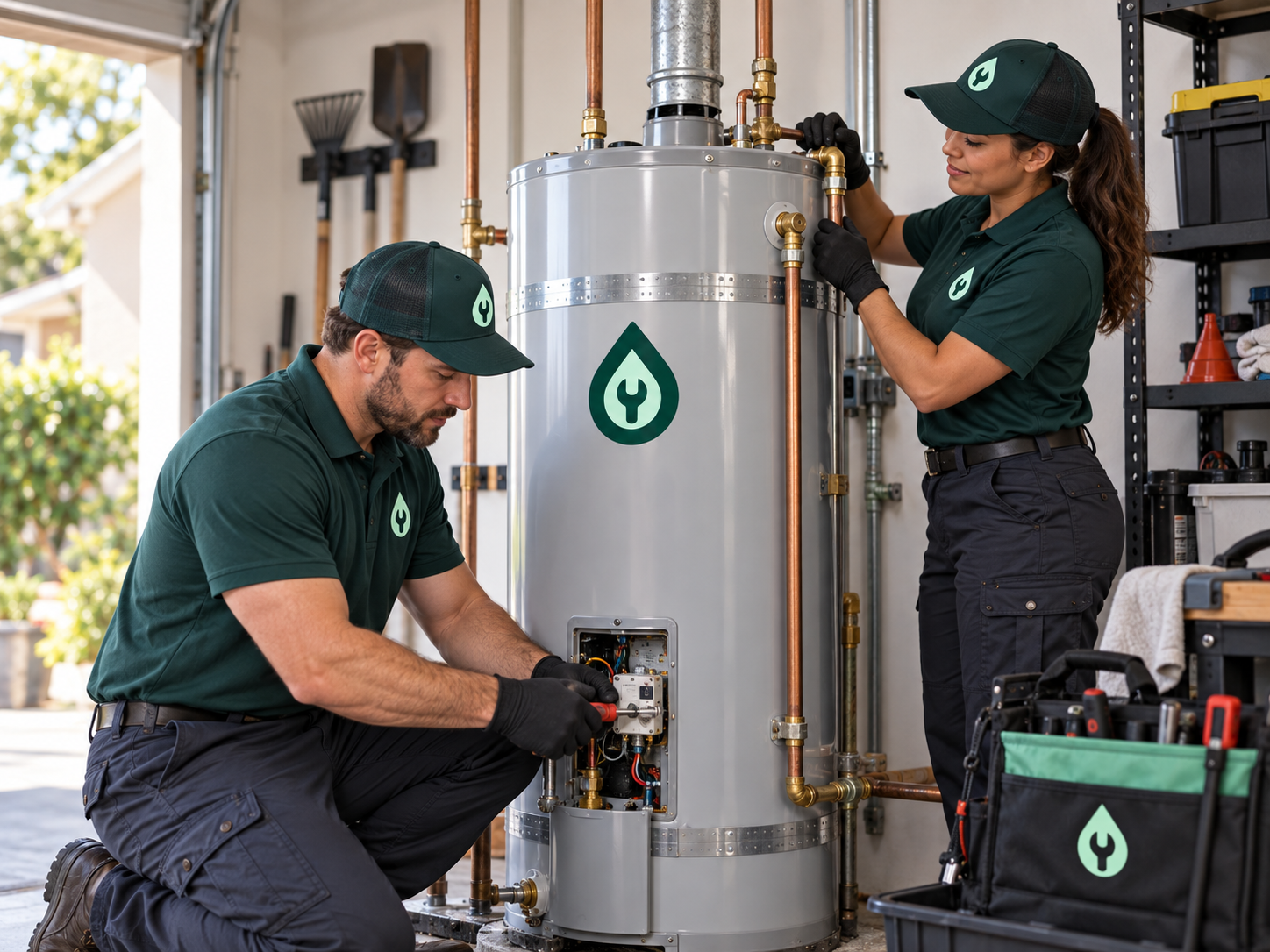
- Calls accepted 24/7Call lines are available at any hour, any day. Answer times may vary.
- Selected communitiesCoverage is checked by location on the call before anything is scheduled.
- Common household problemsLeaks, drains, sewer lines, water heaters, toilets and fixtures.
- Scope and pricing firstDiscuss the work and the price with the provider before authorizing anything.
Water Heater Work We Can Help With
Repair, replacement and installation for tank and tankless units, urgent or planned.
No Hot Water
A pilot or igniter that will not stay lit, a failed heating element, thermostat or gas control valve.
Not Enough Hot Water
Hot water that runs out quickly, or a tank that recovers far slower than it used to.
Leaking Water Heater
Water around the base, a dripping relief valve or a weeping fitting on the cold or hot connection.
Water Heater Replacement
Planned replacement of an older tank before it fails, in a similar or upgraded size.
New Heater Installation
Installing a standard tank or a tankless unit, including the connections that go with it.
Noises, Odors and Rusty Water
Popping or rumbling from sediment, a smell in the hot water or discolored water at the tap.
Symptoms That Point at the Heater
Hot-side-only problems usually belong to the heater or its connections. These are the signs worth describing on the call.
- There is no hot water anywhere in the home.
- Water is pooling under or around the tank.
- The relief valve keeps discharging.
- Hot water runs out after a few minutes.
- The heater is more than about ten years old and you are weighing repair against replacement.
- You are planning a switch from a tank to a tankless unit.
No hot water, or not enough of it
These are different symptoms. No hot water at all often involves ignition, an element, a thermostat or a gas control. Hot water that starts fine and runs short more often involves capacity, sediment in the tank or a dip-tube problem, and it can also simply mean demand has grown since the unit was sized.
Say which it is, how long it has been happening, and whether anything changed — a new shower head, an extra person in the house, a recent power or gas interruption.
Noise, sediment and relief-valve discharge
Popping or rumbling usually relates to sediment on the bottom of a tank, which can slow recovery and shorten the unit's life. It is worth reporting, and it often forms part of a repair-or-replace conversation rather than an emergency.
If water discharges from the temperature and pressure relief valve, that can indicate excessive pressure or temperature, or a faulty valve. Never cap or plug the relief valve or its discharge pipe; have the cause checked. Do not adjust gas or electrical controls yourself.
Replacement and installation practicalities
Location drives much of the work: a tank in a basement, closet or garage affects how the old unit comes out and the new one goes in, and whether water, gas, electrical or venting connections need adjustment. Stairs and narrow doorways matter as well.
If you are asking about tankless, raise it on the call. Switching from a tank changes the gas, water and venting work involved, so it is worth asking what the swap would actually take at your property.
Possible Contributing Factors
These are possible property factors, not a diagnosis — the cause is confirmed on site.
- Cold snaps and wind chill can reach pipework in unheated garages, crawlspaces and outside walls.
- Outdoor plumbing such as hose bibbs and irrigation connections is weather-exposed and can fail at fittings.
- Homes with basement mechanical rooms can hide a slow leak behind stored items until it spreads.
- Mixed pipe materials from earlier repairs can leak at the transition between two metals.
- Scale and sediment can build up inside a water heater and affect noise, recovery and life expectancy.
- Established lots with mature trees can see repeat sewer-line blockages from root intrusion.
Cheyenne Coverage
Coverage is for plumbing work at Cheyenne addresses. Calls are accepted 24/7 and the exact address and service needed are confirmed on the call.
- Cheyenne
How It Works
- 1Call 24/7 and describe the plumbing problem.
- 2Provide the property location and the service needed.
- 3Discuss the proposed scope, pricing and terms before authorizing work.
More Plumbing Help in Cheyenne, WY
- All plumbing servicesLeaks, drains and waste lines, water heaters, toilets, faucets, valves and outdoor taps.
- Drain cleaning & sewer helpSlow fixtures, repeat clogs, main-line restrictions and sewer backups at Cheyenne addresses.
- Water leak & pipe repairVisible drips, concealed leaks behind walls or under floors, split pipes and outdoor supply lines.
- Toilets, faucets & shower valvesToilet repair and installation, faucet repair and replacement, shower valve repair and shutoff valves.
- Cheyenne, WY plumbing helpStart with the main Cheyenne, WY page for any plumbing problem.
Frequently Asked Questions
Confirm pricing, service details and the scope of work directly with the plumbing professional before work begins.
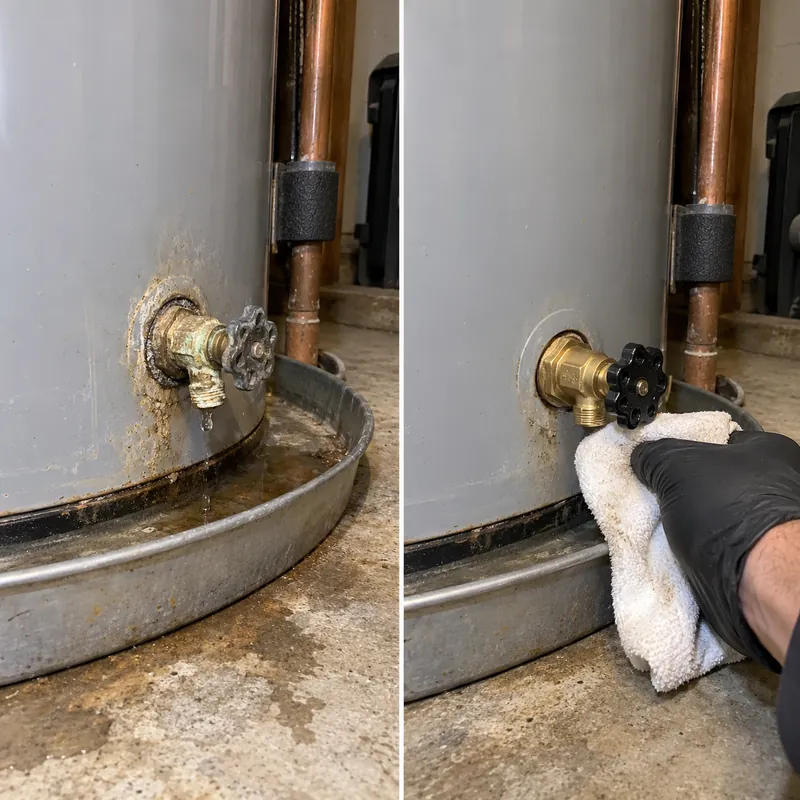
The heater drain valve leaks after maintenance
Share the recent work and exact wet point; do not plug the valve or attempt another flush.
Separate outlet dripping from moisture around the connection
From outside the hot-water hazard area, describe whether water leaves the drain outlet, appears around the valve-to-tank connection, or runs down from above. A maintenance event is relevant history, but it does not prove that the drain valve is the source of every nearby puddle.
Do not attach a cap as a cure, force the valve closed, or undertake DIY flushing to dislodge a suspected obstruction. Avoid touching hot fittings or wet gas/electrical equipment. Never obstruct a relief discharge, which is a separate safety outlet.
Contact the maintenance party with a source record
Provide the service date, work performed if known, model, and whether the drip is continuous or increasing. Retain the paperwork and ask what follow-up terms apply, without assuming the recent maintenance automatically determines responsibility or warranty coverage.
Ask how the assessment will confirm the source and whether safe equipment isolation is needed before repair. A drain-valve problem can differ from tank-body leakage; request the finding and component scope before considering complete replacement.
- Outlet, valve connection, or wetness from above?
- Maintenance date and continuous/increasing pattern?
- Safe isolation, confirmed source, and follow-up terms?
Water Heater Problem in Cheyenne?
Call 24/7 about repair, replacement or installation.